


Kenmure Castle stands just south of New Galloway in the Glenkens of Dumfries and Galloway, a roofless ruin with a history far larger than its surviving walls. The site is tied to medieval Galloway, the Gordons of Lochinvar, Mary, Queen of Scots, Jacobite memory, and later rebuilding that turned an older stronghold into something closer to a noble house. What makes Kenmure Castle so compelling is not just its age, but the way several centuries of Scottish history converge in one place.
For heritage readers, Kenmure offers the kind of layered story that rewards a slower look. It is part family seat, part political landmark, part architectural survivor, and part local legend. It also fits naturally into a broader exploration of Scotland’s quieter historic places, where atmosphere and setting matter as much as the headline events attached to them.

Where Is Kenmure Castle?
Kenmure Castle lies about a mile south of New Galloway in historic Kirkcudbrightshire. Its position helps explain its long importance. This was never simply a pleasant country-house site chosen for scenery alone. It was a place where visibility, control, and status could work together, and even in ruin the castle still has that watchful presence that many old Scottish seats retain.
The setting also helps explain the castle’s appeal today. The Glenkens remains one of those parts of Scotland where landscape and history feel closely connected, and Kenmure benefits from that sense of place. Readers drawn to quieter corners of the country may enjoy that same slower heritage approach in Cowal Peninsula – Scotland’s Secret Coast for Genealogy Travel, where scenery and historical memory shape the journey just as strongly as landmarks do.
The Early Story of Kenmure Castle
The early story of Kenmure Castle combines documented history with long-circulating tradition. The site has medieval roots, and older accounts have connected it with the Lords of Galloway. One local tradition even holds that John Balliol was born here in 1249. That claim is best treated cautiously, but its survival still tells us something useful: Kenmure has long been understood as a place tied to the deeper story of medieval Scotland.
What is clearer is the castle’s long association with the Gordons. From the late 13th century onward, Kenmure became linked with the Gordon family, and over time that relationship came to define the site. Like many Scottish castles, it was never just a building. It was part of a family identity rooted in land, influence, and continuity across generations.
The Gordons of Lochinvar and the Rise of a Family Seat
For centuries, Kenmure Castle served as the seat of the Gordons of Lochinvar. That made it much more than a defended residence. It was the center of a landed family’s world, a place that expressed authority as much as it provided shelter. By the 17th century, the family’s standing had risen further with the creation of the Viscountcy of Kenmure, strengthening the castle’s role as both symbol and residence.
The building itself reflected that rise. Kenmure developed over time rather than appearing all at once in a single finished form. Earlier defensive elements gave way to more ambitious domestic expectations, and the castle evolved with the fortunes and tastes of its owners. Readers interested in how older Scottish structures changed across centuries may find a useful comparison in Exploring the Mysteries of Brochs in Scotland, which looks at a much earlier building tradition but raises the same question of how Scotland’s historic structures are read today.
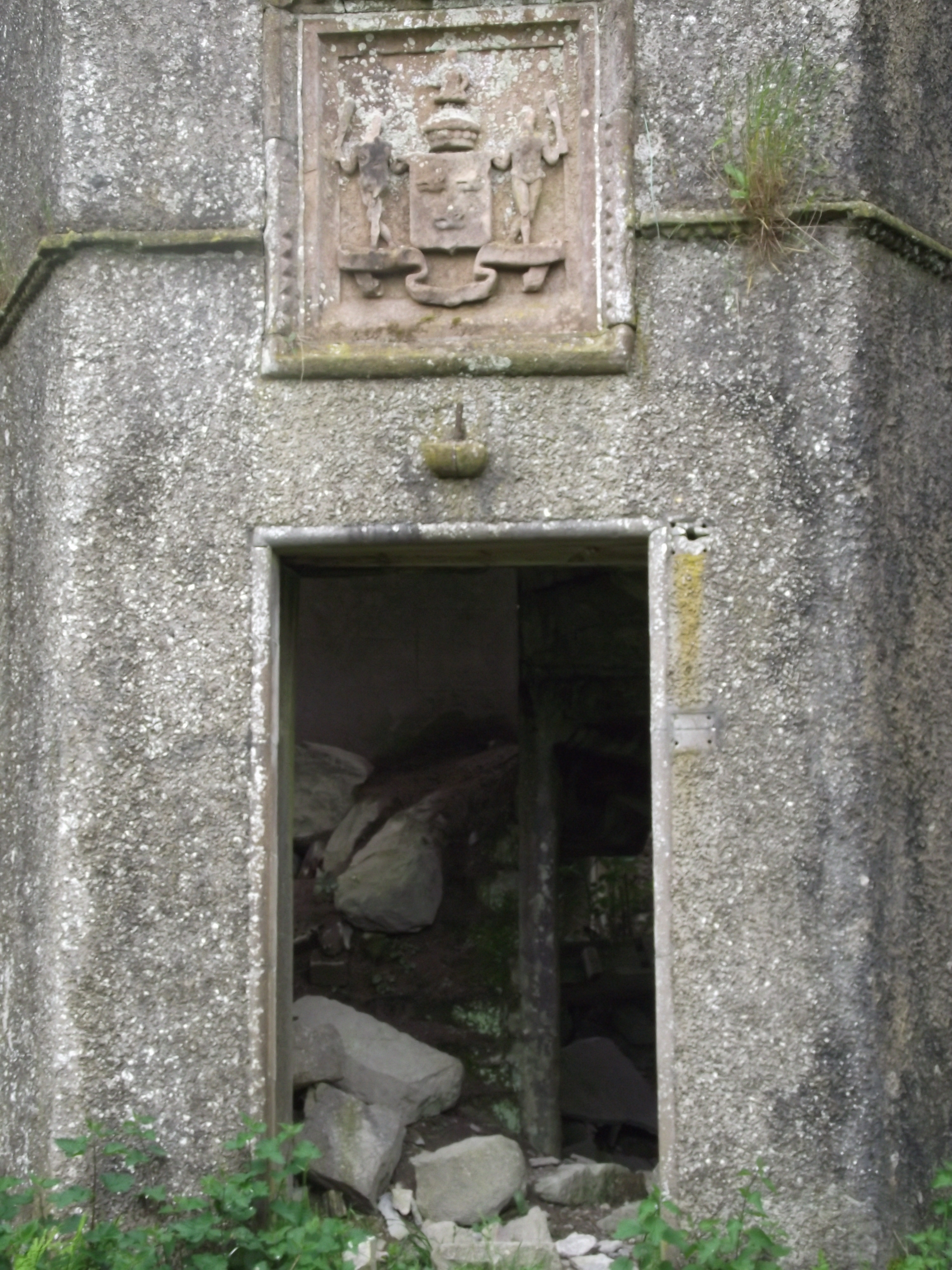
Mary, Queen of Scots and a Castle Touched by Conflict
One of the most memorable episodes in Kenmure’s story is its association with Mary, Queen of Scots. Tradition holds that Mary stayed at Kenmure during her travels through southwest Scotland in 1563. Even a brief royal visit could leave a lasting mark on a place’s historical identity, and at Kenmure that connection has remained one of the castle’s most repeated associations.
The story becomes more dramatic because Kenmure was not merely linked to national politics from afar. In the years after Mary’s defeat at Langside, the castle was reportedly damaged or burned during the conflict that followed. That matters because it shows how dynastic struggle and factional violence reached directly into places like Kenmure. This was not distant court history. It was history with local consequences.
That overlap between family seat and national upheaval gives the site much of its interest. It also makes Kenmure a natural fit for readers tracing broader Scottish family and identity stories through place. Articles such as Irish and Scottish Clan Research for Beginners: Trace Surnames, Septs, and Clans and How to Research Irish and Scottish Heritage from Home work well beside a castle like this because they show how names, regions, and historic sites so often connect.
From Stronghold to Mansion to Ruin
The structure that survives today belongs largely to a later phase in the life of Kenmure Castle, especially its 17th-century form, though earlier material may still be embedded within it. Like many Scottish castles, it did not remain purely defensive. Over time it was reshaped to suit changing expectations about comfort, appearance, and prestige.
By the 18th century the castle was already being described as a ruin, yet the story did not end there. In the 19th century it was remodeled and given a more mansion-like character. That transformation is one of the most revealing parts of the site’s history. Kenmure was not abandoned in a single dramatic moment. It was adapted, softened, and reimagined, then later allowed to decline again. The result is a ruin that still hints at both fortress and country house.
This layered architectural history is one reason Kenmure Castle remains such a strong topic for a heritage article. It demonstrates how Scottish castles often lived several lives rather than just one. Readers interested in unusual buildings that carry that same sense of adaptation may also enjoy St Conan’s Kirk, another Scottish place where architecture reflects later interpretation as much as earlier inspiration.

Jacobite Memory and the Kenmure Name
The name Kenmure also carries a Jacobite association that widens the story beyond medieval and Marian history. The 6th Viscount of Kenmure took part in the 1715 Jacobite Rising and was later executed after the rebellion failed. That episode fixed the Kenmure name in a larger British and Scottish political memory, adding another layer of consequence to the estate and its title.
For readers, this breadth is part of the appeal. Kenmure does not belong to only one era or one dramatic moment. It moves from medieval tradition to royal association, from family ambition to national crisis, and from noble residence to romantic ruin. That sweep gives the castle a richness that many lesser-known sites struggle to communicate at first glance.
Legends and the Headless Piper
No Scottish castle article feels complete without folklore, and Kenmure has its own in the form of the Headless Piper. Stories like this do not function as documentary history, but they matter in another way. They show how places remain alive in memory after their practical use has faded. Once roofs disappear and interiors collapse, stories begin doing more of the work that architecture once did.
At Kenmure Castle, legend adds to an already atmospheric setting. The blend of Gordon family history, royal association, political damage, Jacobite memory, and ghostly folklore helps explain why the site still carries such a strong local presence. It is not only a ruin to be looked at. It is a place still imagined.

Why Kenmure Castle Still Matters
Kenmure Castle still matters because it brings together several strands of Scottish heritage in one place. It is a medieval site, a Gordon family seat, a location tied to Mary, Queen of Scots, a name marked by Jacobite history, and a building transformed by later architectural ambition. Few quieter sites in southwest Scotland carry so many overlapping identities so clearly.
It also matters because it rewards a slower kind of heritage travel. Not every meaningful stop is among Scotland’s most promoted attractions. Kenmure offers something more reflective: the chance to encounter a place where landscape, memory, architecture, and history still feel tightly bound together. That same slower approach to place can be seen in Traveling Scotland’s Heritage Railways to Trace Your Roots, where routes and surroundings become part of the historical experience rather than just a way of getting somewhere else. For a humbler but equally evocative side of Scotland’s built landscape, No Place Like Bothy: Scotland’s Humble Huts makes a strong follow-on read.
Conclusion
Kenmure Castle is more than a ruined building near New Galloway. It is a site where medieval tradition, Gordon family identity, royal association, political conflict, later remodeling, and folklore all converge. That combination gives the castle a lasting place in the history of Galloway and in the imagination of anyone drawn to Scotland’s lesser-known heritage sites. For readers looking beyond the most obvious castle stops, Kenmure Castle offers exactly the kind of layered story that makes a place memorable.
Discover more from Irish Scottish Roots
Subscribe to get the latest posts sent to your email.