


Famous Irish redheads occupy a memorable place in film, culture, and family imagination. Some were born in Ireland, some were raised there, and others became associated with Irish identity through family, heritage, or screen roles. Their hair color may catch attention, but it does not define their talent, their ancestry, or the full story of Irish identity.
This article looks at well-known Irish and Irish-connected red-haired figures while keeping one important point in view: red hair can be a cultural symbol, but it is not proof of Irishness.
Why Red Hair Became Linked with Ireland
Red hair is not exclusive to Ireland, and not every Irish person has it. Still, the association has deep roots because red hair is unusually visible in Ireland, Scotland, and parts of northwestern Europe. Variations in the MC1R gene are associated with red hair, fair skin, freckles, and a greater tendency toward pheomelanin production. Over time, that biological trait became wrapped in folklore, family memory, stage images, tourist posters, and film history.
For heritage readers, red hair often works like a family clue. It may appear in an old photograph, a nickname, or a story about a grandmother whose hair was remembered long after everything else faded. It does not prove a county, surname, or clan connection, but it can become one thread in a wider Irish family story. For a deeper look at the science and folklore behind this, continue with Why Does Ireland Have So Many Redheads?
Famous Irish Redheads in Film and Culture
The people below did not become famous because of red hair alone. They became memorable because talent, timing, image, opportunity, and cultural meaning came together. Their red or auburn coloring may have shaped public memory, but their work is what made that memory last.
Maureen O’Hara: The Classic Flame-Haired Irish Star
No list of famous Irish redheads can begin anywhere else. Maureen O’Hara, born Maureen FitzSimons in Dublin, became one of Hollywood’s most recognizable Irish stars. Her red hair was not a minor detail in her public image. It helped define the screen presence that made her unforgettable in adventure films, westerns, family dramas, and romantic stories.
O’Hara’s fame came from more than color. She projected strength, humor, independence, and emotional directness. In films associated with John Ford and John Wayne, she often played women who were fully capable of standing their ground. Her Irishness was part of her appeal, but she was never simply decorative. She became a model of the fiery Irish redhead in popular culture because she had the force of personality to make the image feel earned.
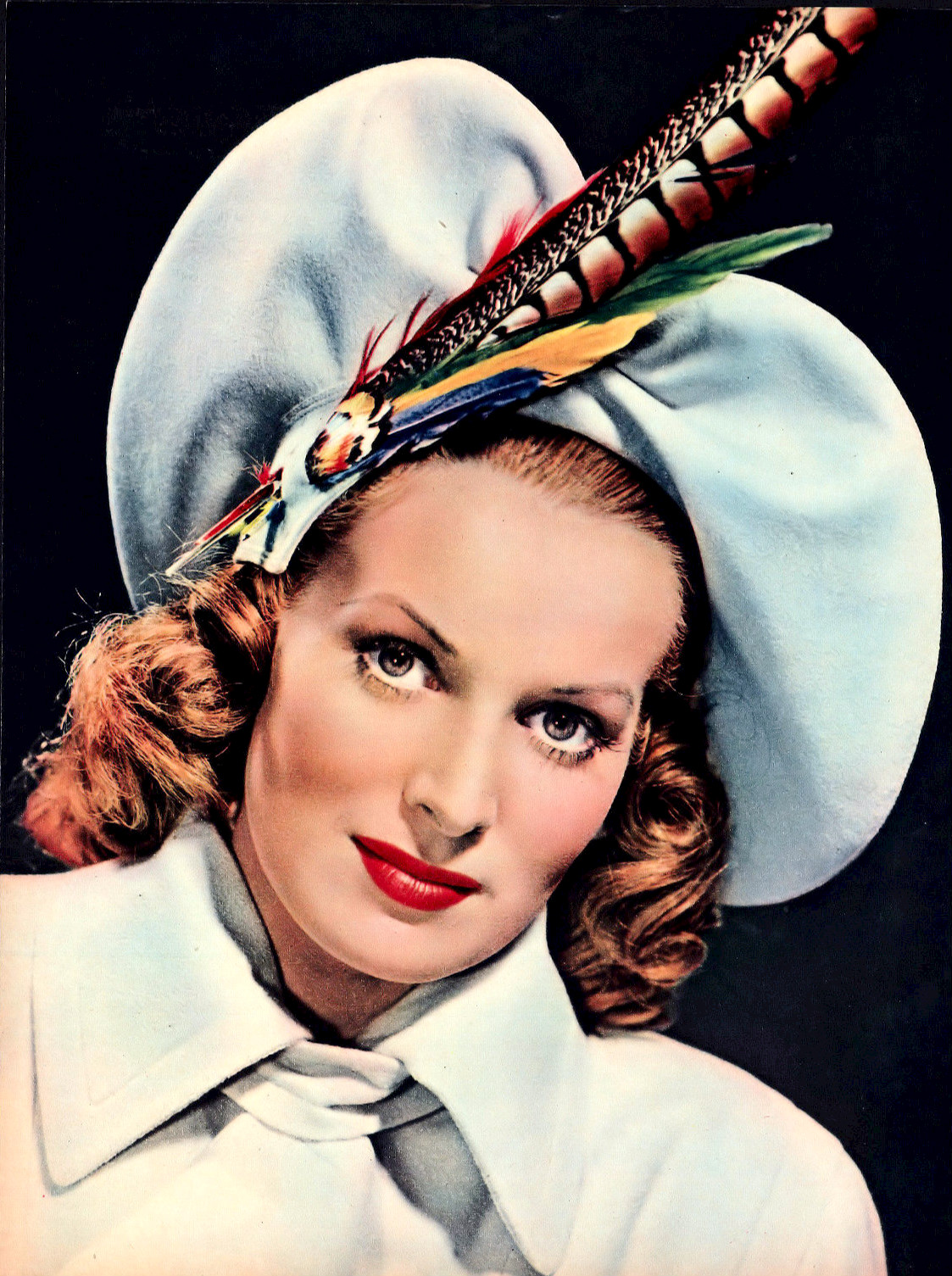
That is why O’Hara still matters in Irish cultural memory. Her red hair became part of a broader visual language: Ireland as vivid, proud, resilient, and impossible to ignore. The danger, of course, is that such images can harden into clichés. O’Hara’s best work reminds us that a famous redhead is first a person and an artist, not just a symbol.
Domhnall Gleeson: A Modern Irish Actor with Auburn-Haired Screen Presence
Domhnall Gleeson brought a different kind of Irish redhead image to international film. Born in Dublin, he became known for work across independent films, romantic drama, science fiction, fantasy, and major franchises. His career has moved easily from Irish and British productions into global cinema, making him one of the best-known contemporary Irish actors with auburn or red-blond coloring.
His hair is often noticed, but what makes him interesting is range. In one role he can seem gentle and inward-looking. In another, he can be comic, awkward, unsettling, or severe. That flexibility matters because it pushes against the old idea that red-haired Irish characters must fit one narrow mold: hot-tempered, comic, wild, or magical.
Gleeson’s fame also belongs to a wider Irish acting story. Irish actors have become central to international film and television, not by abandoning Irish identity, but by carrying it into many genres. In that sense, his hair may catch the eye, but his craft keeps the attention.

Saoirse Ronan: Irish Identity, Global Fame, and a Softer Red-Haired Image
Saoirse Ronan is often described through her Irish identity as much as her acting skill. Born in New York to Irish parents and raised in Ireland, she became internationally known while still young. Her major films have often explored youth, migration, family expectation, and emotional self-discovery, themes that speak strongly to Irish and diaspora audiences.
Ronan’s hair has shifted in shade and styling over the years, but her fair, red-blonde, or strawberry-toned image has often fitted the wider public idea of the Irish redhead. What makes her important is not just appearance. It is the way she has carried Irishness into serious contemporary film without turning it into costume.
Her role in Brooklyn is especially meaningful for Irish heritage readers. The story of a young Irish woman leaving Ireland for New York echoes a familiar pattern in Irish family history: migration, separation, adaptation, and divided belonging. Many descendants know that story from passenger lists, letters, photographs, and half-remembered conversations. Ronan’s fame gives that migration story a modern emotional face.

Brendan Gleeson: The Red-Bearded Irish Presence
Brendan Gleeson belongs in this article less as a classic flame-haired star and more as an example of how reddish, auburn, and red-bearded Irish images appear across generations of screen acting. His public image has often included a reddish or auburn beard in earlier roles, though later public appearances show a grayer look.
Born in Dublin, Gleeson came to acting after working as a teacher, and his career later crossed Irish, British, European, and American film. He has played fathers, musicians, historical figures, comic characters, and morally complicated men. Unlike the polished studio glamour of Maureen O’Hara, Gleeson’s screen image often feels earthier. It belongs to pubs, roads, music, weathered faces, and difficult choices.
In heritage terms, Gleeson represents another kind of famous Irish redhead: not the flame-haired beauty of old Hollywood, but the strong character actor whose face feels tied to place. His fame shows how red hair, reddish beards, and Irish identity can carry weight, warmth, and realism rather than simple fantasy.

What People Misunderstand About Irish Red Hair
The easiest mistake is to treat famous Irish redheads as proof that every old story about red hair must be true. The better approach is to see how biology, culture, and performance overlap. Red hair is real. The stories attached to it are cultural. Fame turns both into something larger.
For centuries, red hair could be admired, mocked, feared, romanticized, or exaggerated. In modern Irish culture, it can be playful and proud. Events such as the Irish Redhead Convention in Crosshaven, County Cork, helped turn a once-teased trait into a public celebration of difference, community, and belonging. Because event status can change, that convention is best described historically unless a current event schedule is verified.
Still, good heritage writing should be careful. Red hair does not prove Irishness, and Irishness does not require red hair. Millions of Irish families have dark hair, fair hair, brown hair, black hair, or changing shades across generations. The famous Irish redhead survives because the image is striking, not because it tells the whole story.
Can Red Hair Prove Irish Ancestry?
Red hair can support a family story, but it cannot prove Irish ancestry by itself.
In genealogy, physical traits can tempt researchers into shortcuts. A family may say, “We must be Irish because everyone had red hair,” or “That red-haired ancestor must have come from County Cork.” The truth is more cautious. Hair color may add emotional texture to a family story, but records must still do the hard work.
Genealogy note: Hair color is a clue, not evidence. Use names, dates, places, church records, civil records, census entries, passenger lists, land records, and DNA matches to build a documented family line.
Start with names, dates, places, church records, civil records, census entries, land records, and immigration documents. Then let physical traits add texture. A red-haired ancestor in a photograph may help you feel closer to the past, but it should not replace evidence. For readers beginning that kind of place-based research, the County Checklist is a useful next step.
This is where famous redheads can help in a different way. They remind us that appearance often becomes memory. Families remember the aunt with copper hair, the grandfather with a ginger beard, or the child who stood out in every school photograph. Those details may not prove a lineage, but they keep people curious long enough to ask better questions.
Why These Irish Redheads Became Famous
These performers did not succeed because of red hair alone. The red hair may have made some of them visually memorable, but it was not the reason they endured. Their fame came from craft, timing, distinctive screen presence, strong roles, and the emotional force of their performances.
Together, they show how one visible trait can carry many meanings. Red hair can suggest glamour, vulnerability, wit, strength, awkwardness, danger, warmth, or memory. Its meaning depends on the person wearing it and the story being told.
That is why famous Irish redheads still fascinate people. They connect a real genetic trait to the larger story of Ireland in the world: migration, performance, family pride, cultural branding, and the long habit of remembering people by the details that made them impossible to forget.
FAQ About Famous Irish Redheads
Who are some famous Irish redheads?
Some famous Irish and Irish-connected redheads include Maureen O’Hara, Domhnall Gleeson, Saoirse Ronan, and Brendan Gleeson. Their public images include red, auburn, strawberry-blonde, or reddish-bearded associations, though their careers are defined by acting talent rather than hair color alone.
Why is red hair associated with Ireland?
Red hair is associated with Ireland because it is relatively visible in Irish and northwestern European ancestry, and because folklore, tourism, literature, stage images, and film helped turn the trait into a cultural symbol. The association is memorable, but it should not be mistaken for a complete picture of Irish identity.
Does red hair prove Irish ancestry?
No. Red hair can be a family clue, but it does not prove Irish ancestry. Genealogy should be built from records such as names, dates, places, church registers, civil records, census entries, immigration documents, land records, and DNA evidence.
Is every Irish person red-haired?
No. Many Irish people have brown, black, blond, gray, or changing hair colors. Red hair is one part of Irish cultural imagery, not a requirement for Irish identity.
Continue Exploring Irish and Scottish Heritage
Red hair may be memorable, but records tell the deeper story. If a red-haired ancestor appears in your family memory, treat that detail as a clue, not proof. Start with names, dates, places, and records, then use family stories to guide better questions. That is where Irish and Scottish roots become more than an image. They become documented history.
Want to move from family memory to documented ancestry? Start with the Irish and Scottish Names Checklist, then use the County Checklist to connect names, places, and records. You can also continue with the deeper history of red hair in Ireland or explore the festival side of the story through Crosshaven’s Irish Redhead Convention.
An AI-generated image was generated by ChatGPT.
Terry Donlan is the founder of Irish Scottish Roots and has researched his Irish and Scottish family history since 1985. He has made five research trips to Ireland and Scotland. He writes about genealogy, heritage travel, historical records, and the people and places that shaped Irish and Scottish family stories.
Discover more from Irish Scottish Roots
Subscribe to get the latest posts sent to your email.